
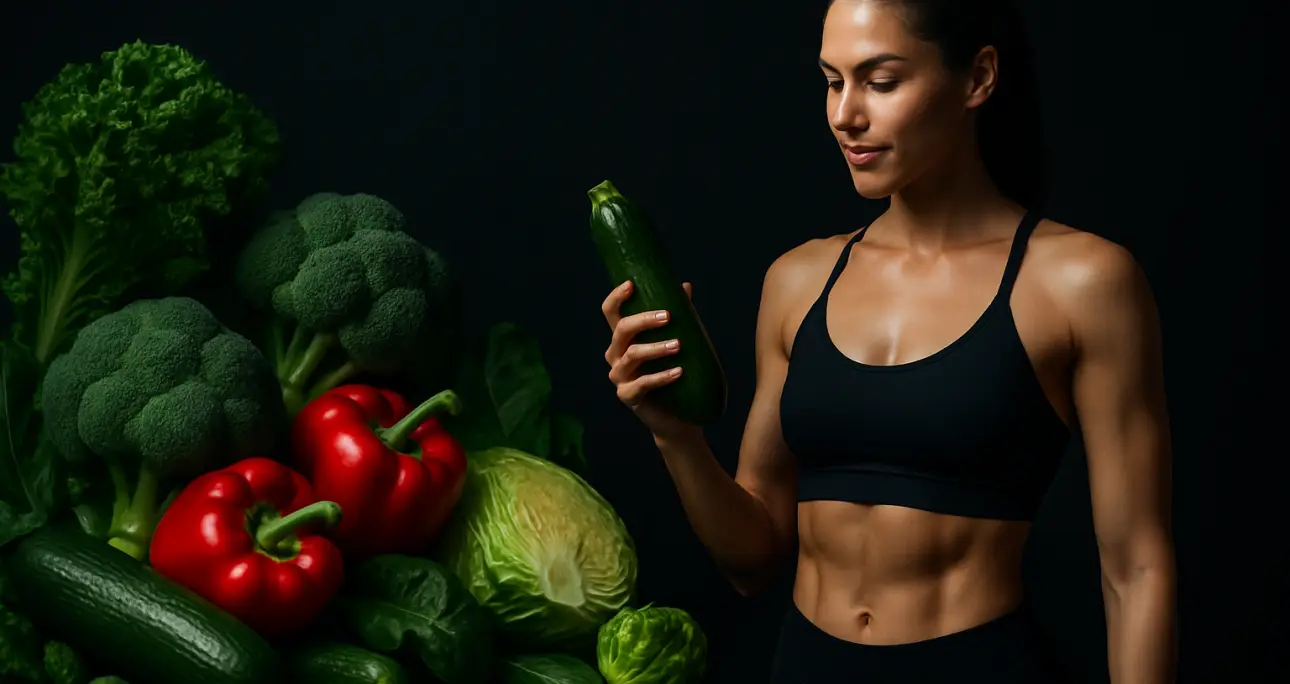
Top Vegetables for Effective Fat Loss
Estimated reading time: 12 minutes
Key Takeaways
- Vegetables provide volume with few calories, promoting satiety and helping control energy intake.
- Prioritize leafy greens, cruciferous veggies, and high-water options to maximize fullness and nutrient density.
- Pair vegetables with protein and a balanced overall diet to support muscle health and sustainable weight management.
- Use veggie-forward substitutions like zucchini noodles or cauliflower rice to increase volume without adding significant calories.
- Hydration and micronutrient-rich veggies support metabolism, satiety, and wellbeing during fat loss.
Table of contents
- Top Vegetables for Effective Fat Loss
- Why vegetables are a cornerstone of fat loss
- Key categories and top recommendations
- Leafy Greens
- Cruciferous Vegetables
- Asparagus
- Zucchini
- Bell Peppers
- Celery
- Cucumber
- Mushrooms
- Other notable options
- Why these vegetables specifically support fat loss
- Practical tips for incorporation
- Putting it into practice
- Why these findings matter in daily life
- FitWay perspective
- Actionable takeaways
- References
- FAQ
Top Vegetables for Effective Fat Loss (continued)
Why vegetables are a cornerstone of fat loss
Vegetables excel for fat loss because they deliver volume with relatively few calories, especially when they’re water-rich and high in fiber. This combination promotes satiety, helping you feel full longer and eat less without counting every crumb. In addition, many vegetables provide essential vitamins, minerals, and antioxidants that support metabolism and gut health, which are important for long-term weight management. Several reputable sources highlight these benefits and emphasize that a varied vegetable intake—paired with protein and overall calorie balance—is key to success. See sources:
Mayo Clinic weight loss article;
GoodRx: Best vegetables for weight loss;
Lose It: vegetables’ impact on health and weight loss;
Aspect Health;
KC Medical WC;
GlucoSense AI;
Key categories and top recommendations vegetables offer a range of benefits for fat loss stemming from their high water content, fiber, and nutrient density. Here is a synthesis of the most frequently recommended categories and items, along with their notable nutritional highlights:
Leafy Greens (spinach, kale, salad greens, romaine)
Why they matter: Very low calories per cup, high water and fiber, and rich in iron and vitamins. They help you feel full while delivering nutrients, which supports overall health during weight management. Sources emphasize the importance of including leafy greens for satiety and nutrient density.
GlucoSense AI,
KC Medical WC,
Mayo Clinic,
NHS
Cruciferous Vegetables (broccoli, cauliflower, cabbage, Brussels sprouts)
Why they matter: High fiber aids digestion and metabolism; rich in antioxidants that support heart and gut health. Broccoli, in particular, is highlighted for being low in calories yet high in vitamins.
GoodRx,
Aspect Health,
GlucoSense AI
Asparagus
Why it matters: Very filling relative to calories, with about 27 calories per serving and roughly 3 g of fiber plus some protein; B vitamins like folate support energy metabolism.
GoodRx,
Aspect Health,
Mayo Clinic,
GlucoSense AI
Zucchini
Why it matters: Low in calories, high in water and vitamin C; an excellent noodle substitute (zoodles) to reduce energy intake while maintaining volume.
Aspect Health,
GlucoSense AI,
Mayo Clinic
Bell Peppers
Why they matter: Moderate calories per cup (about 39 calories) with roughly 3 g fiber and a big boost of vitamin C, supporting immune health and satiety.
GoodRx,
KC Medical WC,
Aspect Health
Celery
Why it matters: Very low calories per stalk (~6 calories), high water content; a crunchy, filling snack that adds volume without much energy.
GoodRx,
KC Medical WC
Cucumber
Why it matters: Very high water content, minimal calories; excellent for hydration and fullness between meals.
KC Medical WC,
Aspect Health
Mushrooms
Why they matter: Low in calories and add umami flavor and fiber without bulk calories; can help with satiety in meals.
Aspect Health
Other notable options
Carrots, tomatoes, green peas, beets, squash, artichokes are all valuable for volume from water and fiber, with peas offering notable protein content for a vegetable choice; versatile for soups, salads, and mains.
GoodRx,
Mayo Clinic,
Aspect Health
Why these vegetables specifically support fat loss
- Low energy density: Most vegetables offer volume with fewer than 50 calories per cup, helping reduce overall intake while keeping meals satisfying. GoodRx, Mayo Clinic, Lose It
- Fiber and protein: Many vegetables contribute meaningful fiber and some protein, slowing digestion and stabilizing blood sugar — important for appetite control. Examples include asparagus (~3 g fiber/serving) and Brussels sprouts (~4 g fiber/serving). GoodRx, Mayo Clinic
- Hydration boost: Vegetables with very high water content can enhance satiety and hydration, supporting metabolism and weight management. Lose It
- Nutrient density: Vitamins (C, K, folate) and antioxidants help address nutrient gaps related to obesity and inflammation, contributing to overall wellbeing during fat loss. GoodRx, GlucoSense AI
Practical tips for incorporation: how to add these veggies to your day
Practical tips for incorporation: how to add these veggies to your day
- Meals: Build meals around vegetables by adding them to salads, soups, stir-fries, and as substitutes for higher-calorie elements (e.g., riced cauliflower instead of rice, zucchini noodles instead of pasta). They’re versatile and often affordable. GoodRx, Mayo Clinic
- Snacks: Use raw celery or carrot sticks, bell pepper slices, or cucumber with a wholesome dip; roast asparagus or zucchini for a savory snack. GoodRx, GlucoSense AI
- Juicing and smoothies: Combine cucumber, spinach or kale, carrot, celery, and a beet for a low-calorie, nutrient-dense drink. Aspect Health
- Meal pacing and portions: Increase veggie intake on meals where you’d otherwise have higher-energy components; swap some meat portions for more produce to improve satiety and fiber intake. Mayo Clinic
- Variety for balance: Aim for a spectrum of colors and types across the week to ensure a broad range of micronutrients and phytonutrients. GoodRx, Mayo Clinic
Putting it into practice: actionable weekly plan ideas
Putting it into practice: actionable weekly plan ideas
- Make a leafy greens base for most lunches: a big salad with spinach or kale, cucumbers, peppers, tomatoes, and a lean protein plus a light vinaigrette.
- Add color and fiber in dinners: steam broccoli or Brussels sprouts, feature zucchini or cauliflower rice, and pair with a palmful of protein and a healthy fat.
- Plan two “veggie-forward” days: swap a portion of starch with extra vegetables (e.g., zoodles with a tomato-based sauce, or cauliflower rice with seafood or eggs).
- Use vegetables as snacks: keep pre-cut celery, carrots, peppers, and cucumber on hand for quick grabs.
Why these findings matter in daily life
Why these findings matter in daily life
For many people, fat loss doesn’t require a strict overhaul of life or all-or-nothing dieting. The core approach—prioritize vegetables that fill you up with relatively few calories—fits naturally into busy schedules, social meals, and family life. The consistent message across authoritative sources is that variety, protein pairing, and overall calorie balance are the keys, rather than chasing a single “magic” vegetable. This makes fat loss more sustainable and less punitive.
Mayo Clinic, GoodRx, Lose It, Aspect Health
A FitWay perspective: how FitWay helps you leverage top vegetables for fat loss
FitWay is designed to help you turn these science-backed insights into daily habits that stick.
- Microchanges that matter: Hydration, nutrition, activity, recovery, routines, and habits—integrated with vegetable-forward meals for steady fat loss.
- Personalization: Guidance to choose leafy greens, cruciferous vegetables, asparagus, zucchini, bell peppers, celery, cucumber, and mushrooms based on tastes and schedule, while keeping energy balance in mind.
- Meal planning and tracking: Create veggie-forward meals, log portions, and track fiber alongside calories; app can suggest swaps like cauliflower rice or zucchini noodles.
- Hydration synergy: Align fluid intake with meals to stay hydrated and satisfied, supporting metabolism and appetite control.
- Reminders and routines: Gentle prompts to include vegetables in lunch and dinner, or prep veggies on specific days.
- Education and motivation: Short, evidence-based explainers on why vegetables help fat loss, plus practical recipes and grocery tips.
Actionable takeaways for readers
Actionable takeaways for readers
- Make vegetables the base of most meals: Build your plate with leafy greens and a mix of cruciferous or colorful veggies, then add lean protein and a healthy fat.
- Aim for color variety: At least 3–4 different vegetables across meals daily to ensure broad micronutrient coverage.
- Snack smart: Choose celery, cucumber, or bell peppers with a nutritious dip rather than high-calorie snacks.
- Experiment with substitutions: Use zucchini noodles or cauliflower rice to increase volume without adding many calories.
- Pair fiber with protein: Vegetables shine when paired with protein to enhance fullness and support muscle health during fat loss.
- Hydrate with purpose: Embrace high-water vegetables as part of your hydration strategy; this helps satiety and overall intake control.
- Use FitWay to stay consistent: Schedule vegetable-forward meals, log intake, set reminders, and get recommended veggie swaps tailored to your life.
Putting it all together: why this approach works for real people
Putting it all together: why this approach works for real people
The research highlights that the most effective fat-loss plan is not a one-vegetable wonder but a varied, sustainable approach that emphasizes low-energy-density foods, fiber, hydration, and nutrient density. By focusing on tops vegetables for fat loss and combining them with protein, healthy fats, and whole-food meals, you create a dietary pattern that supports satiety, stable blood sugar, and steady energy—without punishing your lifestyle. The sources cited here consistently show that variety, proper pairing, and an overall energy balance lead to lasting results.
Mayo Clinic, GoodRx, Lose It, Aspect Health, KC Medical WC, GlucoSense AI
References
- Mayo Clinic: Weight loss—art-20044318
- GoodRx: Best vegetables for weight loss
- Lose It: Vegetables’ impact on health, weight loss, and how to eat more
- Aspect Health: Best fruits and vegetables for weight loss
- GlucoSense AI: Natural weight loss fruits and vegetables
- KC Medical WC: What are the best fruits and vegetables for weight loss?
- NHS: Healthy eating when trying to lose weight
FAQ
What vegetables are best for fat loss?
- What vegetables are best for fat loss?
- Leafy greens (spinach, kale, romaine), cruciferous vegetables (broccoli, cauliflower, Brussels sprouts), asparagus, zucchini, bell peppers, celery, cucumber, and mushrooms are repeatedly highlighted for their low energy density, high water and fiber content, and nutrient density. Pair these with lean protein and healthy fats to maximize satiety and energy balance.
How many servings of vegetables should I aim for daily?
- How many servings of vegetables should I aim for daily?
- Aim for a spectrum of colors and types across meals—typically 3–4 different vegetables per day, increasing variety across the week to ensure broad micronutrient coverage.
Can vegetables alone support fat loss?
- Can vegetables alone support fat loss?
- No. Vegetables support fat loss when paired with protein, healthy fats, and overall energy balance. They help with satiety, fiber intake, and nutrient density, but total calories and protein adequacy remain important.
How can I use FitWay to follow these veggie-forward tips?
- How can I use FitWay to follow these veggie-forward tips?
- FitWay helps by providing veggie-forward meal ideas, hydration tracking, micro-habits, reminders to include vegetables at meals, and personalized veggie swaps to lower energy density without sacrificing satiety.